
Babies (6–15 months)
Floor time, songs, sensory baskets, and lots of holding. Safe spaces to roll, reach, and watch the world.

Our Program
We follow the same slow flow every day, so children feel safe to explore. No rushing, no loud transitions — just time to settle in, play deeply, and be held when needed.
Ages We Welcome
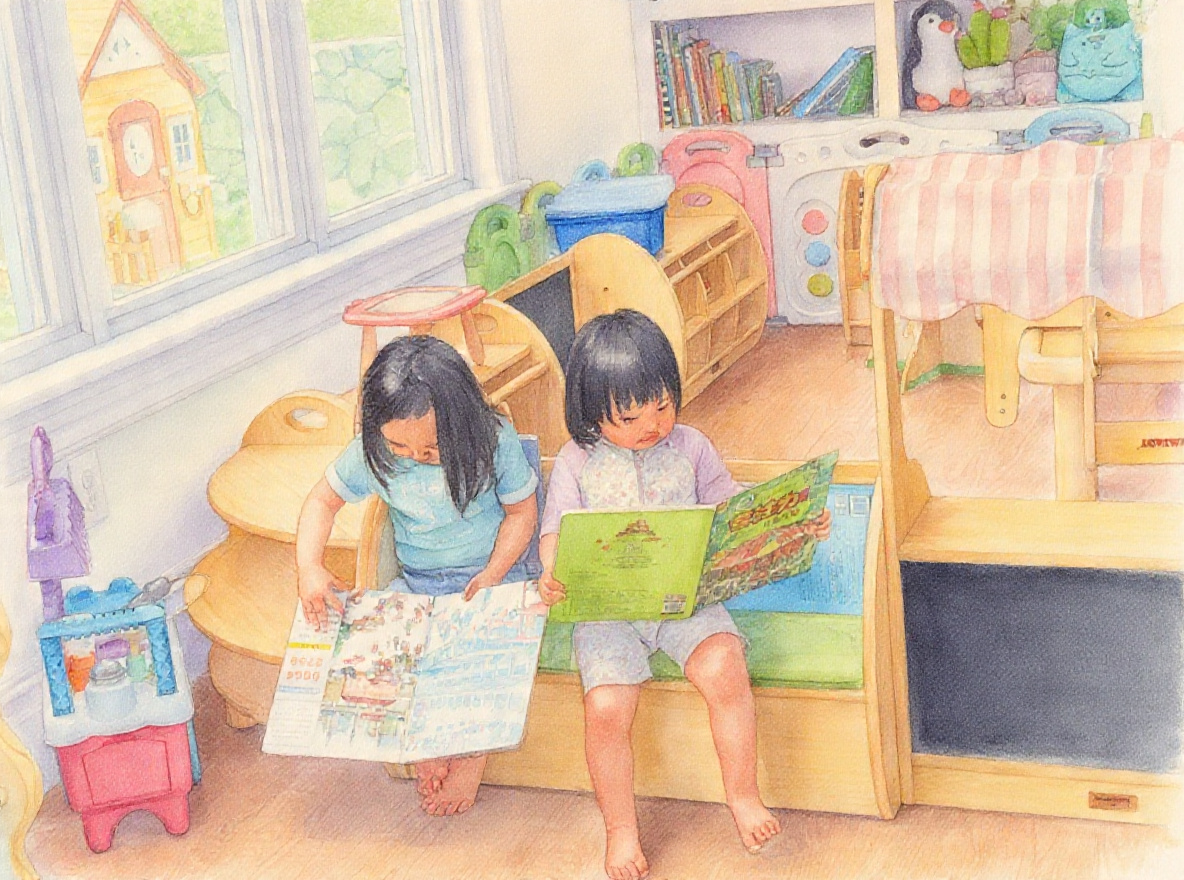
Ivy Grove is home for little ones from infancy through preschool. Because we keep our group small, we look at the whole child — not just the birthday. Some need more snuggles, some need more space to run. We make room for both.
Floor time, songs, sensory baskets, and lots of holding. Safe spaces to roll, reach, and watch the world.
Pouring, climbing, pretend kitchen, and first stories. We practice putting on shoes, washing hands, and using words to ask.
Projects they can lead, books we act out, early math through play, and time to create. We make room for big feelings and big ideas.
Daily Rhythm
We keep the day predictable, not perfect. Snack happens, outside happens, rest happens — and in between, we make room for a rainy mood, a big feeling, or a sudden need to build a very tall tower.
Coats off, shoes in the cubby, and a warm bite waiting. No rush — some walk in talking, some need a lap first.
Songs, a book, and the weather check (usually “is Ivy wearing a sweater?”). Short, sweet, and optional for the shy ones.
Fresh air every day. Sandbox, little cars, or the big sunroom when it’s rainy. We run, we pour, we watch the clouds move.
Homemade, mostly organic, always nut-free. We eat together at the little table — and yes, seconds are encouraged.
Lights low, cots out. Some sleep, some flip books, all get a break. We stay close and rub backs.
Art that gets messy, buildings that fall down, stories we act out. This is the “let’s try it” part of the day.
A small bite, a quick chat, and shoes back on. We send you a photo and a “today she loved the play kitchen” note.
Curriculum
We don’t buy a box curriculum. We write our own — every week, for babies, toddlers, and preschoolers. It’s based on what we see them reaching for that week, not what a checklist says they “should” do.
We keep it simple: lots of language, lots of hands-on play, and a little bit of math and science tucked into real life. No worksheets. No rushing.
And yes — we’re slowly turning these weekly plans into our own little books, so one day each family can take a semester home and say, “remember when we learned about shadows?”
We don’t push children through milestones. We watch, we wait, and we offer the right invitation at the right time.

Words first, always.
Songs we sing while washing hands, picture books we read on the floor, new words for feelings, and back-and-forth conversations — even with babies who only answer in babbles.
Counting happens while we set the table.
Nature walks, water pouring, sorting pinecones, building ramps for cars, mixing colors, asking “what happens if…” — that’s our early math and science. No flashcards, just real stuff to touch.
Making memories, not crafts.
Art that gets on sleeves, music that gets loud, pretend kitchens, seasonal projects we actually keep. We take photos, you get the story, not just the product.